
The Wider Debate: Tenant Protections Versus Owner Recourse
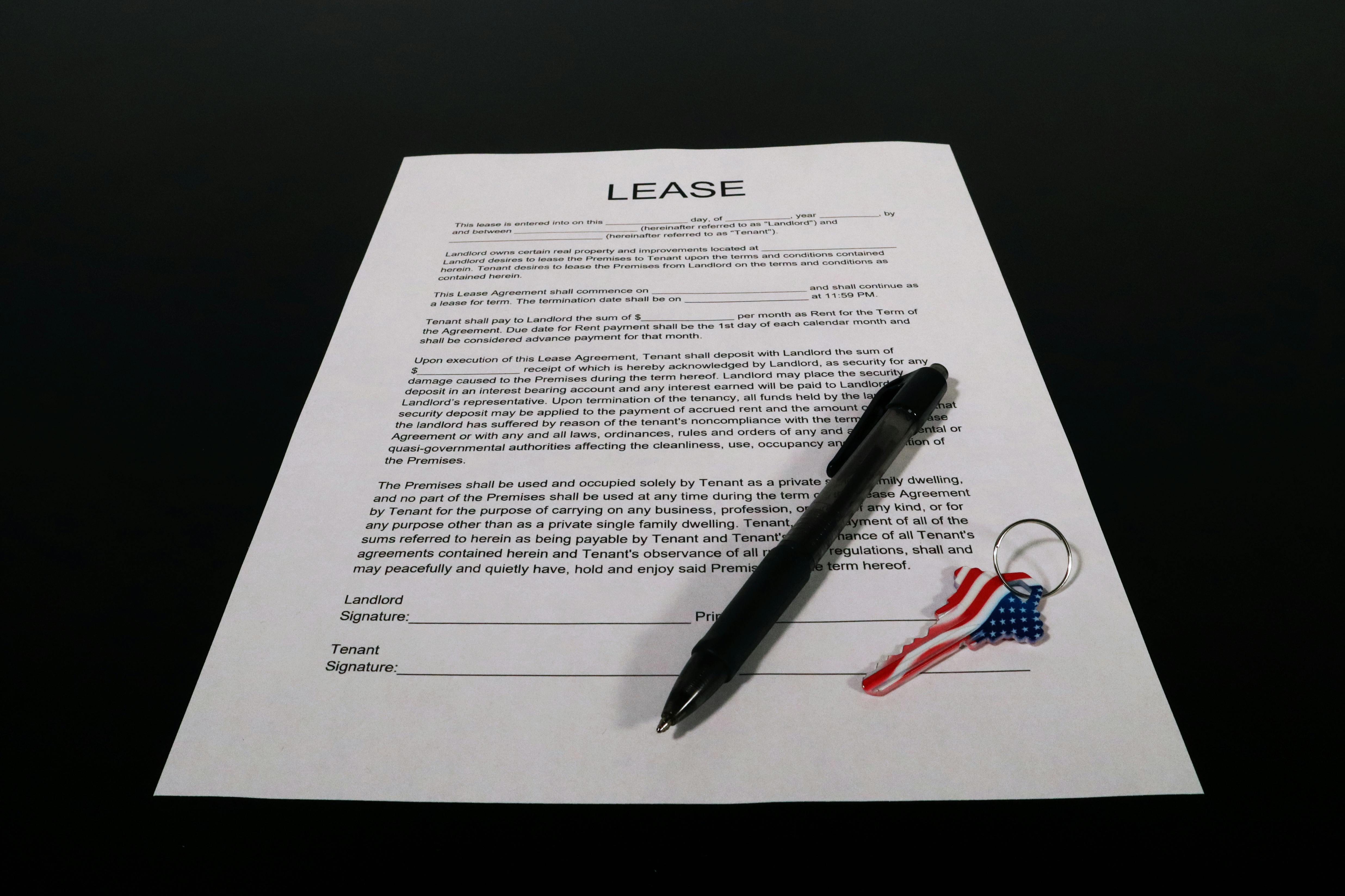
Ultimately, this entire affair—the fear, the legislative reactions, the financial ruin of a few—ignited a fierce public debate regarding the proper balance between tenant rights and property owner recourse, particularly in high-cost, tenant-friendly urban environments. This is where the philosophical collision occurs: where does necessary housing safeguard end and the systematic erosion of private property rights begin?
The Intended Purpose of Tenant Laws
Proponents of strong tenant laws argue they are a necessary social safety net, preventing vulnerable populations from being easily displaced due to market forces or minor administrative errors. These laws are fundamentally intended to ensure housing stability for those who genuinely rely on the housing market for their existence. The protections address historical imbalances where a landlord could unilaterally dictate terms or remove a resident without cause.
The Unbalanced Scale Cited by Critics. Find out more about Airbnb squatter legal risks for hosts.
Critics, citing the nightmare scenario illustrated by these high-profile standoffs, argue that when those protections can be so readily invoked by someone with no prior relationship, no signed lease, and who entered under false pretenses, the system becomes fundamentally unbalanced. The system, in this view, empowers unauthorized occupants at the direct expense of legitimate property investors and homeowners who are left financially liable for the prolonged, uncompensated occupation of their private property. When a short-term reservation guest can effectively “become” a tenant simply by staying past their welcome and asserting a claim, the law seems to prioritize the *possessor* over the *title-holder*. This forces property owners to weigh the cost of legal defense against the impossibility of an immediate remedy. The unresolved question across many urban planning centers is how modern housing law—designed for traditional landlord-tenant relationships—can adapt to the peer-to-peer, transactional nature of the STR industry without compromising either social equity or fundamental ownership rights. This is not just an Airbnb problem; it’s a fundamental stress test for property rights in the digital age.
Actionable Takeaways: Fortifying Your Short-Term Rental Against Legal Hostage Scenarios
Regardless of where you stand on the broader policy debate, the current legal environment of late 2025 demands a proactive, hardened defense for any independent property provider involved in the STR space. The nightmare scenario is a blueprint for exploitation, and preparedness is the only viable countermeasure.
Actionable Step 1: Document Everything, Before and After Entry. Find out more about Tenant rights versus property owner recourse debate guide.
The success of new laws like Illinois’ SB 1563 hinges on proving the initial entry was illegal trespass, not a valid tenancy claim. For every single booking, your documentation protocol must be military-grade.
- Pre-Booking Vetting: For longer stays (anything over 7 days), consider running basic background checks or requiring government ID verification *before* the booking is confirmed, even if the platform doesn’t mandate it.
- Clear Communication: Ensure all communications—especially confirming check-in/out times—are digital and logged via the platform or a dedicated app. Do not allow verbal agreements to supersede the written contract.. Find out more about Exploiting short-term rental laws for residency claims tips.
- Check-In Protocol: If possible, implement a system that requires a documented, successful initial entry *by the guest* that confirms the property condition and denies immediate access to unauthorized persons.
- Rapid Response Evidence: If a guest overstays by even one day past checkout, you must immediately document the attempt to regain possession. Send a certified letter *and* an official electronic notice stating the reservation is terminated and they are now trespassing. Police intervention (where applicable, pending the new laws in your state) requires this paper trail.
Actionable Step 2: Review Your Platform Contracts and Local Zoning. Find out more about Financial impact of unauthorized Airbnb occupation strategies.
The contractual relationship with platforms like Vrbo or Airbnb can sometimes be less protective than you assume when the dispute moves from a refund request to a physical occupation claim.
- Platform Liability: Scrutinize the platform’s Terms of Service regarding liability for holdover guests. While they offer host guarantees, these are often limited and designed for standard issues, not long-term residency claims.
- Local Ordinances: Many cities are cracking down on STRs through zoning, permitting, and licensing. In places like Clark County, Nevada, hosts are fighting restrictive ordinances that include lottery systems and fines, arguing these infringe on fundamental constitutional property rights for investors. Ensure your operations comply 100% with all current local mandates, as non-compliance can weaken your legal standing instantly.
- Adverse Possession Reform: Understand your state’s rules on adverse possession reform. In Oregon, for example, new 2025 legislation tightens the evidence required for such claims, which is a positive signal for owners against long-term squatters. Know the timeline you are fighting against if a trespasser stays long enough to claim rights.
Actionable Step 3: Consult Specialist Legal Counsel Proactively. Find out more about Tenant rights versus property owner recourse debate definition guide.
The era of handling a guest dispute without an attorney is over. When a simple request to leave turns into a declaration of tenancy, you are in a specialized legal arena. Find an attorney *now* who:
- Understands landlord-tenant law, specifically as it intersects with short-term contracts.
- Is familiar with the new 2025 legislative changes in your specific state (e.g., the criminal trespass clarification in Illinois).. Find out more about Exploiting short-term rental laws for residency claims insights information.
- Has experience dealing with STR platforms.
This proactive step is an expense, but it is a fraction of the cost of six months of mortgage payments on a property occupied by an unauthorized party.
Conclusion: The New Reality of Property Ownership
The tensions exposed by these high-stakes confrontations are not fading; they are crystallizing into new legal realities across the nation. The sharing economy, projected to be a $335 billion force by the end of 2025, is mature enough now to face the consequences of its disruption. The debate between necessary tenant safeguards and the systematic erosion of private property rights remains a fierce, unresolved frontier. For the property provider, the key takeaway is clear: the protection of your asset is now directly proportional to the quality of your documentation and the speed of your legal response. The legal system is struggling to keep pace with technology, but lawmakers in states like Illinois and California are forcing its hand. The nightmare scenario is no longer just a scary story; it is a tangible threat demanding rigorous operational discipline. How will *you* adapt your protocols to protect your investment in this newly contested legal ground? What has your experience been with ambiguity in short-term rental agreements? Share your insights or toughest questions below—the conversation about property rights is just getting started.