
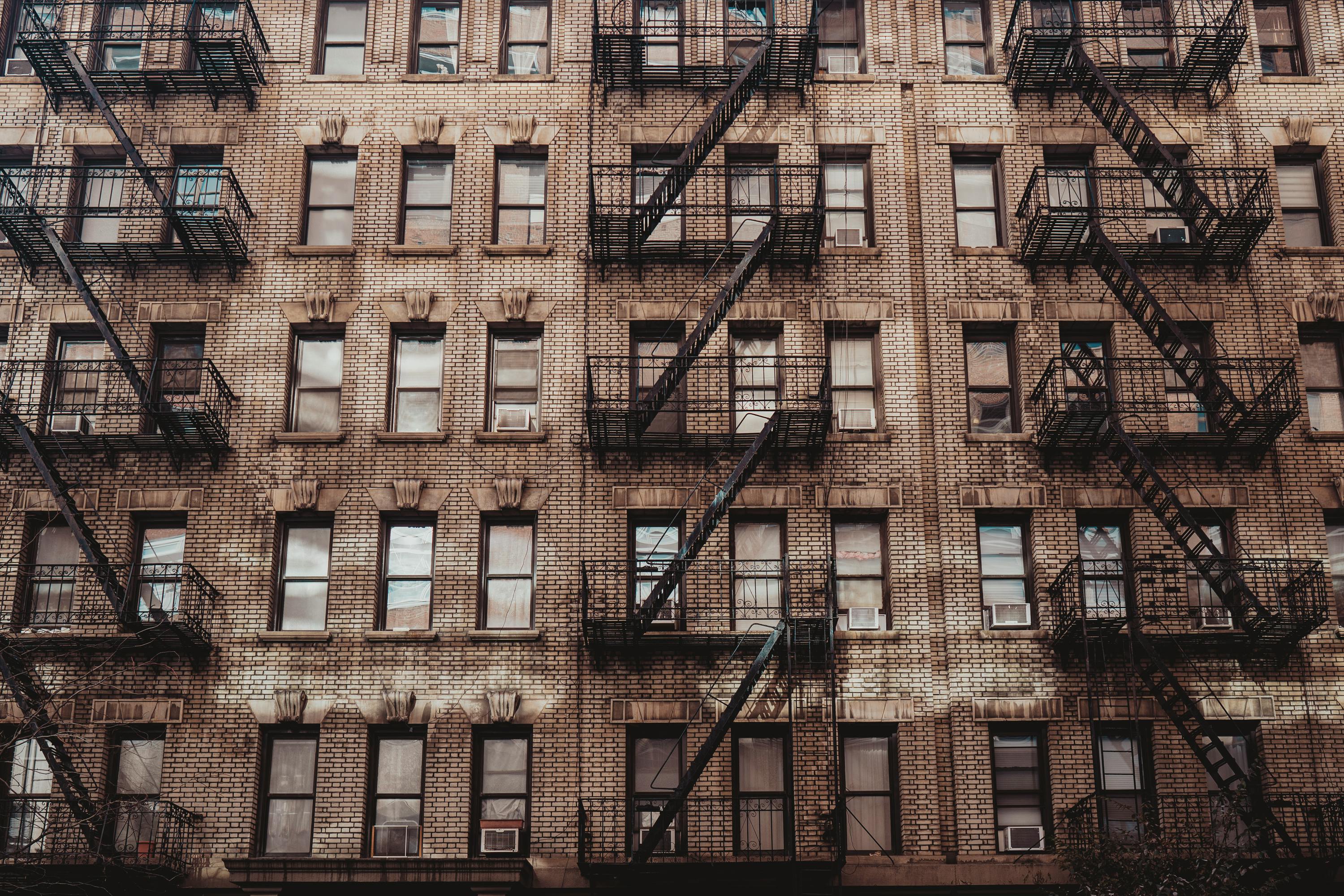
Conclusion: Moving Beyond the Binary of Ban or Boom. Find out more about speculative influx Airbnb New York City neighborhoods.
New York City’s housing struggle is not a simple binary choice between a total ban on short-term rentals or an unregulated boom. The evidence suggests that while unregulated short-term rentals are certainly corrosive, the city’s deepest scars come from the systemic failure to produce and maintain housing accessible to its workforce and middle class. The immediate battle is over LL18 and the speculator’s right to treat residential blocks as commodities. Legal Aid and tenant advocates are right to sound the alarm: a rollback invites the vultures back in, leading to an “explosion” of transient lodging that hollows out communities. Yet, a truly resilient housing future requires a much broader fight. It means demanding a shift in the luxury development focus, pushing for policies that incentivize the occupation of empty investment properties, and ensuring that regulatory enforcement targets the true abusers—the sophisticated actors buying up housing stock, not the resident renting out a spare room to make rent. The city needs a strategy that puts people before profit, from the penthouse to the parlor floor. What are your thoughts? Do you believe modest reforms can be legally ring-fenced against speculators, or is the threat of commodification too great to risk any rollback of Local Law Eighteen? Share your perspective below and join the critical conversation shaping our city’s next decade.