
The Grand Prix Effect: How Austin’s Accommodations Shift During Race Weekend 2025
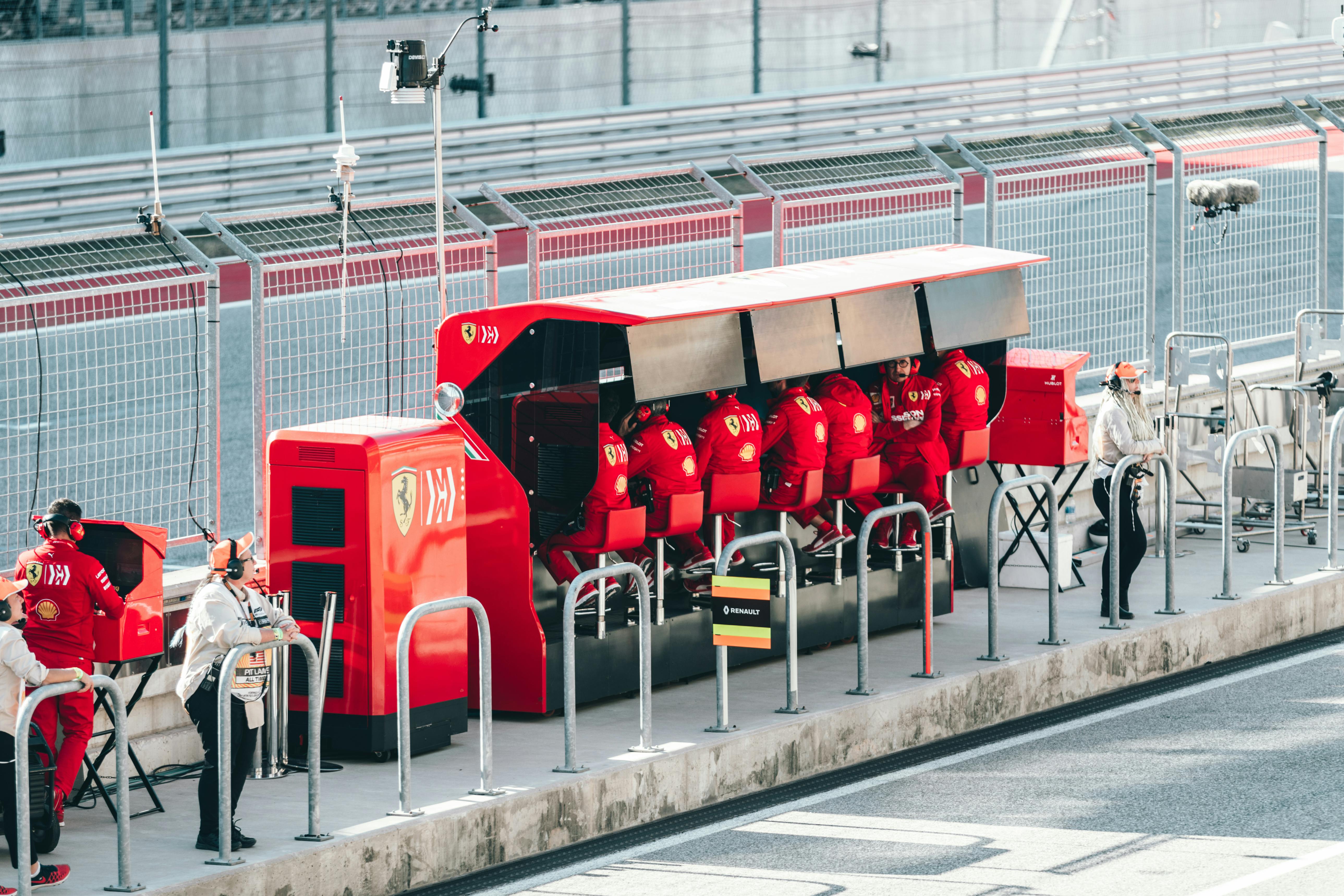
The roar of engines, the blur of speed, and the electric atmosphere of Formula 1 – it all converges on Austin, Texas, for the highly anticipated United States Grand Prix. But for fans eager to experience this global spectacle firsthand, the thrill of race weekend comes with a significant asterisk: a dramatic, and often daunting, surge in accommodation costs. As the pinnacle of motorsport returns to the Circuit of the Americas in 2025, the prospect of securing a place to stay transforms from a routine travel booking into a strategic financial endeavor. For countless attendees, this means preparing for expenses that can multiply considerably compared to typical travel times. This escalation is a direct consequence of the immense demand generated by one of the most electrifying events on the global racing calendar. Thousands of fans, many traveling from afar, create a concentrated period of high occupancy, naturally driving up the price of every available room and residence. Austin, for a brief, thrilling period, becomes a premium destination where the cost of even a simple place to rest your head can multiply several times over when the engines roar to life.
The Economic Engine: Formula 1’s Impact on Austin
The Formula 1 Grand Prix in Austin is far more than just a thrilling display of motorsport; it functions as a potent economic engine for the city and its surrounding region. This economic ripple effect extends across numerous sectors, from the booming hospitality industry and bustling retail shops to vital transportation networks and vibrant entertainment venues. The influx of thousands of visitors injects substantial revenue directly into the local economy, providing crucial support for businesses and creating a significant number of temporary employment opportunities. Historical data from previous years consistently indicates that visitors attending the race contribute hundreds of millions of dollars in direct and indirect spending, underscoring the event’s profound economic importance. This financial uplift is a primary reason why the city actively hosts and promotes such large-scale international events, recognizing their vital role in fostering economic growth and sustained vitality.
Comparing Accommodation Costs: A Stark Contrast
To truly grasp the financial magnitude of the Grand Prix’s impact on local accommodations, a comparative analysis of pricing across different timeframes is essential. Leading up to the race weekend, the average nightly rate for an Airbnb in Austin hovers at a certain baseline figure. However, as the event draws nearer and the Circuit of the Americas begins to buzz with anticipation, this figure undergoes a substantial, almost unbelievable, transformation. During the peak of the race weekend, the average cost for short-term rentals escalates dramatically, a direct reflection of the intense, concentrated demand. Following the exhilarating conclusion of the Grand Prix, a noticeable shift occurs. Prices typically revert to more conventional levels, often falling significantly from their race-weekend highs. This stark contrast vividly illustrates the unique pricing dynamics created by the event, showcasing the premium fans must pay for the privilege of staying in the city during this celebrated period.
Decoding the Surge: Understanding Airbnb Rate Increases
When we talk about the financial strain placed upon attendees, the most striking indicator is the percentage increase in short-term rental prices, particularly on platforms like Airbnb. For the 2025 United States Grand Prix, data reveals a significant uplift, with rental costs for private accommodations surging by an estimated 84 percent when compared to non-race weekends. This substantial jump is not merely an incremental rise; it represents a near doubling of the typical nightly rate, fundamentally altering the budgeting considerations for many fans planning their trip. Such a pronounced surge underscores the extraordinary demand that accompanies the Formula 1 spectacle, making it one of the most expensive times to secure lodging in the city.. Find out more about Formula 1 Austin Airbnb price surge.
Average Nightly Rates: A Detailed Breakdown
Delving into the specifics of nightly rates provides a clearer picture of this complex economic phenomenon. Before the race week officially begins, an average Airbnb in Austin might be secured for around $423 per night. However, as the race weekend unfolds, this figure climbs dramatically. For the period encompassing the Grand Prix itself, the average nightly cost for an Airbnb escalates to approximately $780. This significant increase illustrates the direct impact of high demand on pricing. Once the checkered flag waves and the crowds disperse, the average nightly rate for accommodations sees a considerable drop, returning to a more modest figure of around $257, highlighting the temporary nature of this price inflation.
The Gap Between Peak Demand and Off-Peak
The difference between booking an Airbnb during the Formula 1 weekend and securing one during a quieter period is substantial, both in percentage and absolute terms. Fans attending the Grand Prix are essentially paying a premium that is nearly three times the cost they would incur for the same accommodation the week following the event. This gap is a direct reflection of supply and demand dynamics amplified by a unique, high-profile international event. While Austin offers a vibrant array of short-term rental options throughout the year, the concentrated interest during the Grand Prix weekend drastically limits availability and inflates prices, making it a critical financial consideration for any fan wishing to attend. Understanding these fluctuations is key to planning your visit effectively.
Beyond Lodging: The Full Fan Expenditure
While accommodation costs represent a major financial outlay for attendees, the expense of securing entry to the Grand Prix itself is also a considerable factor. The cost of tickets varies significantly depending on the day and the type of access desired. This tiered pricing structure means that fans must carefully consider their attendance plans to manage their overall budget. The price of admission is a critical element that, when combined with lodging, contributes to the total cost of experiencing the Formula 1 spectacle. Understanding these ticket price variations is as important as factoring in accommodation expenses when planning a trip to the Circuit of the Americas.
The Premium for Sunday Spectacle
Among the various ticketing options, Sunday’s race day commands the highest price, reflecting its status as the culmination of the race weekend. Single-day passes for Sunday average over $1,031, making it the most expensive day to attend. This premium reflects the anticipation and excitement surrounding the main event, the Grand Prix itself. In contrast, tickets for the preceding days are considerably more affordable. Friday’s average ticket price stands at around $172, and Saturday’s tickets are priced at approximately $482. This disparity in pricing emphasizes that the ultimate race day is the most sought-after and, consequently, the most expensive to experience. Strategic ticket purchasing can offer significant savings.
Calculating the Total Weekend Investment
When the costs of accommodation and event admission are combined, the total financial investment for attending the United States Grand Prix weekend becomes substantial. For a fan opting to stay for the full three days and purchase a three-day wristband, the combined cost of lodging and entry can easily exceed $1,200. This figure represents a significant expenditure for a single sporting event. Furthermore, if a fan decides to purchase a single-day ticket for the most expensive day, Sunday, and combines that with the inflated Airbnb prices, the total weekend cost can easily climb past $1,500. This highlights the considerable financial commitment required to fully immerse oneself in the Grand Prix experience.
Comparing Costs to Other Major Austin Events
The financial commitment associated with attending the Formula 1 Grand Prix in Austin is often comparable to, if not exceeding, the costs associated with other major events hosted in the city. Austin is renowned for its vibrant cultural scene, hosting numerous music festivals and significant sporting contests, including major collegiate football games. When comparing the expenditure required for the Grand Prix weekend—encompassing accommodation and tickets—to that of attending other large-scale events, it becomes clear that F1 ranks among the most expensive. The unique combination of international appeal, high demand for limited resources, and premium ticket pricing positions the Grand Prix as a top-tier financial undertaking for fans.. Find out more about Formula 1 Austin Airbnb price surge tips.
Factors Driving Accommodation Demand
Austin’s growing status in the world of Formula 1 has solidified its position as a premier destination on the international racing calendar. Its reputation extends far beyond merely hosting a race; the city has cultivated an atmosphere that attracts fans from around the globe. The vibrant local culture, combined with the thrilling on-track action, creates a compelling draw. This growing appeal means that each successive Grand Prix weekend sees an increased number of attendees eager to experience the event firsthand. The city’s success in building this reputation directly translates into heightened demand for all aspects of hospitality, including short-term rentals, as more people aspire to be part of the Austin F1 experience.
The Impact of Global Motorsport Tourism
The Formula 1 United States Grand Prix taps into a global network of motorsport tourism. Fans of the sport often travel internationally to attend various races, and Austin has become a key stop on many of their itineraries. This global influx of visitors means that demand is not solely driven by local or national interest but by a worldwide passion for Formula 1. The city’s ability to cater to an international audience, coupled with the sport’s increasing popularity, particularly in North America, contributes to the sustained high demand for accommodations. This international draw ensures that the demand for lodging during race weekend remains consistently robust.
Demand Amplified by Coinciding Events
The intensification of demand during Formula 1 weekends is sometimes further amplified when the Grand Prix coincides with other major events. Austin frequently hosts multiple high-profile gatherings within close proximity, such as significant collegiate sporting contests or large-scale music festivals. When these events overlap with the Grand Prix, the city experiences an unprecedented surge in visitor numbers. This confluence of major attractions creates a perfect storm of demand, placing extreme pressure on accommodation availability and driving prices to their absolute peaks. The convergence of such events transforms Austin into a thoroughly booked destination, requiring attendees to plan their arrangements far in advance.. Find out more about Formula 1 Austin Airbnb price surge strategies.
The Host Perspective and Market Dynamics
For residents of Austin who own property, the Formula 1 Grand Prix weekend presents a significant economic opportunity. The substantial increase in demand for lodging during this period allows homeowners and property managers to command premium rates for their Airbnbs. This surge in revenue can be particularly impactful, offering a chance to earn considerable income within a short timeframe. Many individuals leverage this period to maximize their earnings, transforming their properties into lucrative short-term rentals for the duration of the event. This economic incentive plays a crucial role in the supply dynamics of the short-term rental market during race week.
Emergence of New Hosts During Peak Times
The attractive financial prospects during major events like the Grand Prix often lead to a wave of new hosts entering the short-term rental market. Individuals who might not typically list their properties on platforms like Airbnb may decide to do so specifically for the race weekend, recognizing the substantial income potential. This influx of new listings, while increasing the overall supply, does little to diminish the peak demand or significantly temper the price surges. Instead, it highlights the widespread awareness of the economic benefits associated with hosting race fans, further contributing to the dynamic nature of Austin’s short-term rental market during these high-demand periods.
Market Trends Reflecting Global F1 Hubs
The pricing trends observed in Austin during Formula 1 weekends are not unique; they mirror patterns seen in other established Formula 1 hubs around the world. Cities that host Grand Prix events frequently experience similar spikes in accommodation costs, with some international markets seeing hospitality rates increase by over sixty percent. Austin’s accommodation market, therefore, is exhibiting characteristics consistent with a mature Formula 1 destination. The city’s growing popularity within the F1 circuit means its pricing dynamics are increasingly aligning with those of other major racing venues, reflecting its established presence and appeal on the global motorsport calendar. For more on the economic impact of large events, check out insights from the Austin Tourism Commission.
Methodology and Data Insights
The figures regarding accommodation price surges are derived from a rigorous analysis of available short-term rental listings. For the 2025 United States Grand Prix, data was collected from a substantial sample of active Airbnb listings within Austin. This comprehensive approach involved comparing nightly rates across three distinct periods: the week preceding the event, the actual race weekend, and the week immediately following the Grand Prix. By examining an extensive set of properties, researchers aimed to establish a representative average for each timeframe, thereby accurately quantifying the economic impact on lodging.
Sourcing Ticket Price Information
Information pertaining to ticket prices for the Formula 1 United States Grand Prix was obtained directly from official sales channels. Specifically, data for single-day tickets for Friday, Saturday, and Sunday, as well as the cost of a three-day wristband, were sourced from the official Circuit of the Americas ticketing platform. This ensured that the price figures used in the analysis accurately reflect what fans would pay to attend the event, providing a reliable basis for calculating total weekend expenditures. The methodology focused on capturing the official rates to present a clear picture of admission costs.
Defining the Scope of Weekend Costs
The calculation of total trip costs is designed to offer a comprehensive view of a fan’s financial commitment. This figure is determined by combining the average nightly rate for Airbnb accommodation during the Grand Prix weekend with the cost of event admission. Two primary scenarios are considered: one that includes the price of a three-day wristband, representing an attendee planning to be present for the entire event; and another that factors in the most expensive single-day ticket, typically for Sunday, to represent a fan focusing on the main race day. These calculations provide a realistic estimation of the minimum expenditure required for a fan to attend the event.. Find out more about F1 weekend Austin accommodation costs 2025 definition guide.
Historical Context and Economic Impact
The surge in accommodation prices witnessed during the 2025 Formula 1 United States Grand Prix is not an isolated incident; it follows a well-established pattern from previous years. Reports from past Grand Prix weekends indicate consistent and significant increases in hotel and Airbnb rates. For example, historical data from earlier events shows hotel price hikes of over thirty percent. These past occurrences have established a trend of extreme demand leading to elevated costs, making the current year’s eighty-four percent increase in Airbnb prices a continuation of a recognized phenomenon within the Austin market during F1 weekends. For official race information, you can always refer to the Formula 1 official site.
Direct and Indirect Spending by Visitors
The economic contribution of Formula 1 to Austin extends far beyond accommodation and ticket sales. Visitors attending the race engage in a wide array of spending activities that benefit the local economy. This includes expenditures on dining, entertainment, transportation, and retail purchases. Historically, the economic impact has been substantial, with direct spending by race visitors amounting to hundreds of millions of dollars in previous years. When indirect spending—money that circulates through the local economy as a result of this initial spending—is also accounted for, the total economic benefit is even more significant, highlighting the event’s vital role in Austin’s financial landscape.
The Role of F1 in Austin’s Economy
The Formula 1 United States Grand Prix has become a cornerstone event for Austin’s economy, particularly in the hospitality and tourism sectors. Its annual arrival injects a significant boost into local businesses, supports a considerable workforce within the hospitality industry, and positions the city as a global destination for major events. The consistent success of the Grand Prix in drawing large crowds and generating substantial revenue underscores its importance to the city’s economic vitality. The event’s growing popularity, partly fueled by popular culture, continues to ensure its status as a major economic driver for Austin year after year.. Find out more about United States Grand Prix Austin lodging rates insights information.
Navigating the Financial Landscape for Attendees
Attending the Formula 1 United States Grand Prix requires diligent financial planning due to the elevated costs associated with travel and accommodation. Fans are advised to research and book their lodging well in advance of the race weekend to potentially secure more favorable rates, although significant price increases are inevitable. Comparing prices across different accommodation types, including hotels, private rentals, and even shared accommodations, can help identify cost-saving opportunities. Furthermore, understanding the tiered ticket pricing allows for strategic purchasing, with options for Friday or Saturday potentially offering a more budget-friendly entry point compared to Sunday’s premium access.
Considering Travel Beyond Accommodation
The total cost of attending the Grand Prix extends beyond just the price of an Airbnb and event tickets. Attendees must also factor in expenses for transportation to and from the Circuit of the Americas, which can be significant depending on the chosen method. Food and beverage costs during the race weekend, especially at the venue, can also add up quickly. Additionally, many fans allocate budget for merchandise, souvenirs, and other entertainment options available in Austin. A realistic budget must encompass all these elements to avoid unexpected financial burdens and ensure a well-rounded and enjoyable race weekend experience. For insights on exploring Austin beyond the track, consult the Visit Austin guide.
The Value Proposition for Attending the Grand Prix
Despite the considerable financial outlay, the Formula 1 United States Grand Prix offers a compelling value proposition for racing enthusiasts. The event provides an unparalleled opportunity to witness world-class athletes and cutting-edge technology up close, combined with the vibrant atmosphere of Austin. For many, the experience of attending a live Grand Prix is a once-in-a-lifetime event that justifies the expense. The thrill of the competition, the international camaraderie, and the unique energy of Austin during race weekend contribute to a memorable experience that many fans consider a worthwhile investment, transcending the monetary cost. Planning ahead is key to making the most of this incredible event.