
The Ultimate Guide to Airbnb Childproofing: Creating a Safer Stay for Traveling Families
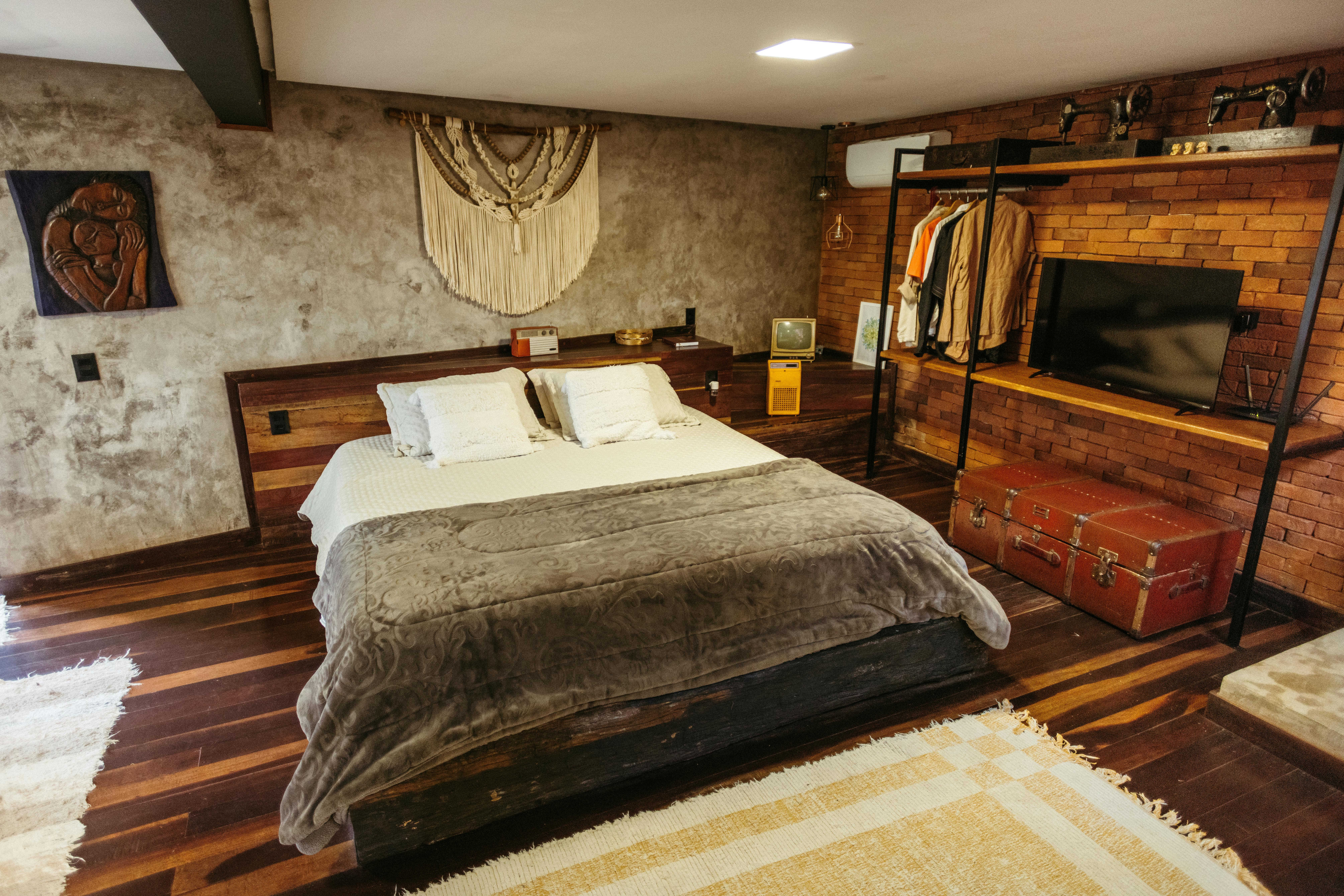
As an Airbnb host, providing a comfortable and memorable stay is your top priority. However, when traveling families book your property, a new layer of responsibility emerges: safety. Toddlers and young children explore the world with boundless curiosity, making even the most charming Airbnb a potential minefield of hazards if overlooked. Proactive childproofing isn’t just about preventing minor mishaps; it’s a crucial element of guest service, liability management, and earning those coveted five-star reviews.
This comprehensive guide walks hosts through the essential steps to audit and secure their property, transforming it into a truly family-friendly haven.
I. The Essential Foundation: Digital Safety & Communication
Before you even walk through your property with a safety checklist, leverage communication.
- Disclosure of Hazards: If you cannot eliminate a known hazard (e.g., a steep, un-fenced staircase or a charming but old stone fireplace), clearly state it in your listing description under a “Potential Hazards” section. Transparency builds trust.
- Amenity Audits: If you advertise as “kid-friendly,” ensure your provided amenities—like cribs, high chairs, or playpens—meet current safety standards. Check expiration dates and hardware integrity regularly.
- Safety Binder: Create a physical binder that includes the location of the first-aid kit, emergency contact numbers (local police, nearest pediatric urgent care), and instructions for any unique safety features (like pool alarms).. Find out more about Airbnb host liability management child safety.
II. Kitchen Safety: Securing the Culinary Hub
The kitchen is often the most richly stocked area with immediate hazards, from chemicals to heat sources.
Cabinet and Drawer Security
Chemicals, cleaning supplies, sharp knives, and small appliances must be inaccessible.
- Install Quality Locks: Use magnetic cabinet locks or spring-loaded latches on all lower cabinets containing hazardous items (bleach, dishwasher pods, glass items).
- Stove Safety: Apply stove knob covers to prevent little hands from turning on gas or electric burners. Consider an oven door guard if the oven door gets hot enough to cause burns upon contact.
- Appliance Cords: Ensure all cords for toasters, blenders, and coffee makers are tucked away or secured to prevent a child from pulling down heavy appliances.. Find out more about Airbnb host liability management child safety guide.
Choking Hazards & Small Items
Be meticulous about small items left on counters or in drawers.
- Secure garbage cans with locking lids or place them inside a locked pantry.
- Ensure loose batteries (for remotes or smoke detectors) are stored out of reach, as ingestion is extremely dangerous.
- Lock up or remove any glassware, ceramic decorations, or breakable serving dishes from lower shelving units.
III. Living Areas: Furniture, Outlets, and Windows
The living room, where relaxation happens, requires careful scrutiny regarding stability and access to electricity.. Find out more about Airbnb host liability management child safety tips.
Anti-Tip Safety (The Single Most Important Step)
Televisions and tall shelving units are primary strangulation and crush hazards.
- Secure All Furniture: Use heavy-duty anti-tip straps (straps or brackets) to anchor every tall or heavy piece of furniture—bookshelves, dressers, TV stands—directly into wall studs. This is non-negotiable for liability management.
- Television Placement: If using a standalone TV, ensure it is heavy enough to be stable or, ideally, mounted flush to the wall.
Electrical and Fire Safety
- Outlet Covers: Install sliding plate covers or robust plastic plug-in covers on all accessible electrical outlets.
- Cord Management: Use cord concealers or wrap excess slack from lamps and electronics neatly, keeping them away from floor level.. Find out more about Airbnb host liability management child safety strategies.
- Fireplace/Hearth: Install a sturdy, non-mountable fireplace gate or screen that prevents direct access to the hearth area, even when the fireplace is not in use.
Window and Blind Cords
Window strangulation is a silent danger often overlooked.
- Cord Cleats: Install safety cleats high on the wall for all blind and curtain pull cords, wrapping the excess material securely around them.
- Window Stops: On upper floors, install window opening restrictors or hardware that allows the window to only open a maximum of four inches. Ensure screens are in excellent condition.
IV. Bathroom Safety: Water, Chemicals, and Slipping. Find out more about Airbnb host liability management child safety overview.
Bathrooms combine water hazards, sharp objects, and accessible medications, demanding strict security measures.
- Toilet Locks: Install toilet seat locks to prevent toddlers from playing in the water or pulling themselves up unexpectedly.
- Medication Audit: All prescription and over-the-counter medications must be stored in a locked drawer or high cabinet, far beyond reach.
- Water Heater Temperature: If you have direct control, set the water heater thermostat to a maximum of 120°F (49°C) to prevent scalding burns.
- Non-Slip Surfaces: Provide high-quality, mold-free, non-slip mats for the bathtub or shower floor.
- Toiletries Storage: Ensure razors, nail clippers, and cleaning chemicals are stored under lock and key or on very high shelving.
V. Bedroom Safety: Cribs and Sleep Environments. Find out more about How to childproof vacation rental property definition guide.
If you offer a crib, it must be flawless. If you do not, ensure guests know storage options are limited.
- Crib Inspection: If provided, check that the mattress fits snugly (no gaps between the mattress and the side rails) and that there are no loose hardware pieces. Never place pillows, bumpers, or stuffed animals in the crib.
- Guard Rails: If you have beds accessible to small children, consider placing low, removable guard rails on the open side of the bed.
- Furniture Anchoring: Dressers and changing tables in the guest bedroom must be anchored to the wall using anti-tip straps, just like in the living area.
VI. Exterior and Common Area Precautions
If your property includes a yard, deck, or pool, the stakes for safety increase significantly.
- Pool Safety (Critical Liability Area): If you have a pool, it must be surrounded by a self-latching, self-closing fence that meets local code minimums. If fencing is not present, inform guests immediately and use prominent alarms on all access doors leading to the pool area.
- Deck and Railings: Inspect all deck railings for loose balusters or gaps wider than 4 inches where a small head could slip through.
- Garage/Shed Access: Ensure the entry points to garages, sheds, or utility areas where tools, lawn chemicals, or paints are stored are locked with heavy-duty hardware inaccessible to children.
VII. The Childproofing Audit: Making It a Routine
Childproofing is not a one-time event; it is a recurring maintenance task, particularly before high-risk bookings (i.e., families with infants).
Develop a “Toddler Walk-Through” Checklist: Before every family arrival, mentally or physically drop down to a toddler’s eye level and crawl through the main living spaces. What looks interesting from that height? What can be tugged, opened, or reached?
By adopting this proactive, detail-oriented approach, you not only protect your guests’ most precious cargo but also solidify your reputation as an exceptional, thoughtful, and responsible Airbnb host.