
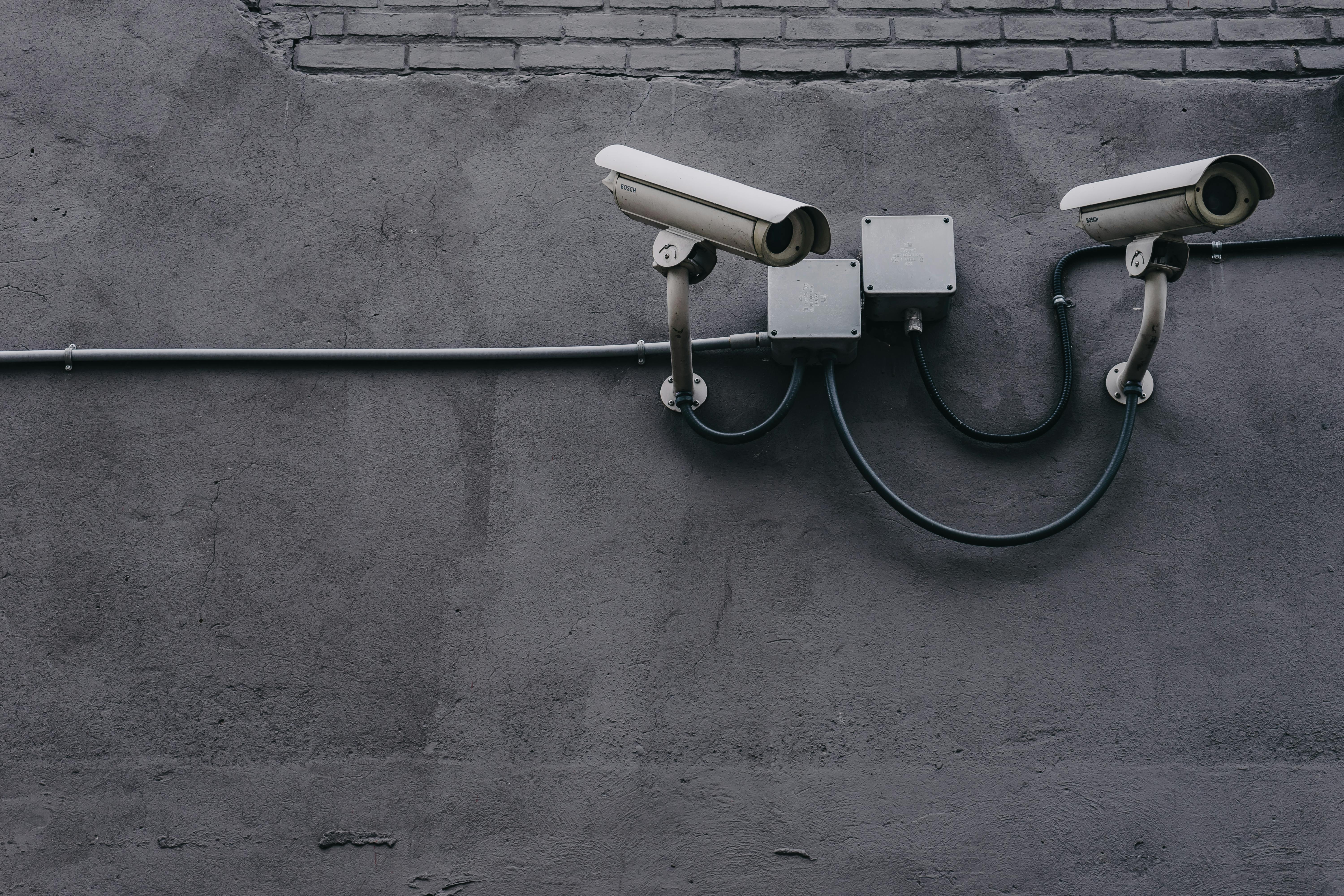
Physical Augmentation: Privacy-First Monitoring Tools
While the digital defenses are critical for pre-screening, nobody suggests that algorithms are infallible. The second, equally important pillar of this modern safety strategy involves tangible, physical tools that augment the digital screening, particularly in domestic markets where trust has been eroded by localized issues. This is where the commitment to **non-invasive physical monitoring tools** comes into sharp focus.
The New Host Toolkit: Sensors Over Surveillance
The concept of non-invasive monitoring, which utilizes methods like acoustics or ultrasound to measure conditions without disrupting the environment, is rapidly becoming the standard across many high-stakes industries. In the hospitality space, this translates directly into privacy-centric noise sensors provided to hosts. These aren’t just off-the-shelf decibel meters; they are often provided in partnership with specialized property technology firms, embedding a layer of physical oversight that works in concert with the digital screening.
The crucial distinction here, which preserves both guest privacy and host awareness, is the focus. These devices are engineered to monitor aggregate sound levels, not to record or decipher individual conversations. Think of it as a threshold monitor: if the average sound level in the living room crosses a set threshold—say, one consistent with a large gathering—for a prolonged period, an alert is silently sent to the host.. Find out more about Airbnb anti-party technology implementation.
This blending of digital pre-vetting and non-intrusive physical monitoring represents a comprehensive approach to *preemption*. A property owner gets an alert that the sound level suggests a party is brewing, which allows for a gentle, early intervention (a polite text message, perhaps) long before the music is loud enough to generate a neighbor complaint or escalate into a police call. This is the quiet revolution in property management.
Protecting Privacy While Policing Noise
The sensitivity around in-home monitoring cannot be overstated. Modern travelers are rightly protective of their digital and physical privacy. Therefore, the success of these physical tools hinges entirely on their commitment to being non-intrusive. The technology must adhere to a strict code: monitor the *effect* (noise level), not the *cause* (speech or music content). This commitment is vital for maintaining social license; otherwise, hosts risk alienating the very guests they seek to attract.
The engineering behind these devices is impressive. They employ acoustic analysis that can distinguish background noise from sustained high-decibel activity associated with large parties, often utilizing advanced signal processing. It’s a testament to modern engineering that we can gain such actionable insight without violating basic expectations of privacy in a rented home. This nuanced approach helps solidify the foundation for the future of hotel management software, pushing standards higher for all accommodation types.
Consider the difference: an automated security camera catches an unauthorized *number* of people entering; a specialized acoustic monitor detects the *level* of disturbance. The former feels invasive; the latter feels like a neighborhood safeguard. The industry is clearly leaning toward the latter, recognizing that trust is built on perceived respect, even when enforcing rules.. Find out more about Algorithmic curation in peer-to-peer accommodation guide.
The Long View: Measuring Sustained Community Benefit
This technological push isn’t simply about preventing one bad weekend booking; it’s about securing the long-term viability of the entire short-term rental ecosystem. The “social license to operate”—the unspoken agreement that a business has within the community it serves—is fragile. Consistent, visible efforts to curb misuse are essential to maintaining that license.
From Multi-Year Reports to Neighborhood Harmony
The real test of this technology deployment is its multi-year impact. Reports compiled over several years are confirming that consistent protocol application is yielding tangible, long-term benefits for host communities. When platforms demonstrate that their growth is intended to coexist harmoniously with established residential neighborhoods, the local friction decreases. The documented decrease in party-related reports over a multi-year span is the hard data confirming these efforts are fostering more responsible travel habits.. Find out more about Non-invasive noise sensors for Airbnb hosts tips.
This commitment to community health is no longer optional; it’s a strategic imperative. The short-term rental market has faced increasing regulatory pressure, with forecasts showing that 80% of major markets now have some form of regulation in place. These regulations often demand demonstrable proof that hosts are actively mitigating risks like noise and excessive occupancy. By proactively deploying layered tech, platforms and hosts are essentially pre-empting even stricter, less nuanced legislative action.
We’ve seen data suggesting the market for Party Prevention Tech for Rentals is projected for robust expansion, reflecting rising concerns over property damage and neighborhood disturbances. This market growth isn’t driven by technology companies selling gadgets; it’s driven by necessity born from neighborhood friction. The success stories often involve cities that have seen noise complaints drop significantly year-over-year, directly correlating with widespread adoption of these screening and monitoring tools.
The Regulatory Landscape and Its Impact on Supply
The tightening regulatory landscape is actually having a somewhat paradoxical effect that benefits responsible operators. While new listings are harder to get approved in many saturated cities, these regulations help to “professionalize” the market by filtering out lower-quality or less compliant listings. The platforms that successfully integrate these advanced safety protocols—the algorithmic curation and the non-invasive monitoring—are better positioned to navigate this environment. They can argue that their network is self-policing to a high standard, reducing the need for blanket legislative restrictions.
Furthermore, the focus on safety and compliance is becoming an advantage for operators who can prove it. Travelers are increasingly aware of, and sometimes actively seek out, accommodations that signal they are professionally managed and safe. A listing that clearly states its use of advanced **short-term rental safety features** might just win the booking over a slightly cheaper, unverified competitor.. Find out more about Improving trust and safety in short-term rentals strategies.
This isn’t just about preventing damage; it’s about securing the future profitability of the sector. Less neighborhood pushback means less legislative risk, which leads to more stable occupancy forecasts for established hosts. The technology is a tool for stability.
Shared Vigilance: The Essential Human Layer
Even with the most advanced, layered technological infrastructure imaginable—from AI risk profiling to privacy-focused noise sensors—the system remains incomplete without the final, vital component: the vigilance of the user base itself. The platform acknowledges a truth that no software can fully solve: human misuse requires a degree of shared responsibility.
The Appeal: Beyond the Algorithm
While the AI handles the bulk of the automated screening—the initial 99% of transactions—the system actively seeks the attention of the wider user base. This includes parents, guardians, or other trusted adults who might be booking for younger individuals. The platform maintains that this human oversight is paramount to the success of the overall safety mission.. Find out more about Airbnb anti-party technology implementation technology.
The specific appeal often revolves around social responsibility. Users are urged to remain attentive to external indicators that a booking might be a front for an illicit gathering. This means looking at social media activity or group chat patterns that might signal an impending problem, even if the initial booking passed the digital sniff test. More pointedly, users are pressed to refrain from making or allowing bookings on their accounts for others—a common tactic used to bypass initial screening mechanisms.
This final appeal is crucial because it underpins the entire collaborative framework. The service provider manages the platform risk; the community manages the social risk. When both are engaged, the likelihood of complete eradication of misuse increases exponentially. It’s a contract of mutual respect, enabled by technology but enforced by community standards.
Practical Tips for Community Collaboration
How can a responsible traveler or host participate effectively in this shared vigilance? It requires shifting perspective from just being a user to being a steward of the community experience.. Find out more about Algorithmic curation in peer-to-peer accommodation technology guide.
Conclusion: The Technologically Assured Future of Hospitality
As of December 13, 2025, the trajectory for the hospitality sector is undeniably clear: the future is one of deep, structural technological mediation. The era of the loosely moderated, purely peer-to-peer marketplace is giving way to one defined by **algorithmic curation** and privacy-conscious physical backstops. This transformation, driven by the need to manage scale and mitigate increasing misuse patterns, is setting a new baseline for platform trust. From AI systems filtering risk profiles before a single payment clears, to non-invasive sensors providing hosts with critical, timely awareness, the technology is creating an ‘invisible shield’ around the travel experience.
The sustained positive impact on communities—evidenced by reduced reports and a more stable operating environment—proves that this technology serves a higher purpose than mere profit protection. It serves community coexistence. However, this high-tech defense line is only as strong as its weakest link. The final, crucial element is the active, shared vigilance of the user base. Technology handles the systemic scale, but human attention remains essential for spotting the edge cases the machine might flag with low certainty.
The key takeaways are this: Safety is now the primary product feature, and it is being engineered through layers of digital and physical monitoring. For everyone involved—the traveler, the host, and the platform—adaptation is non-negotiable. The smarter you are about leveraging or respecting these new technological standards, the smoother your journey will be.
What are your thoughts on this new standard? Have you noticed a difference in the vetting process for your recent bookings? Do you see these noise monitoring tools as a necessary evil or a welcome evolution? Share your perspective in the comments below and continue the conversation about building a safer, more sustainable future of hotel management software and rental platforms.