
This Is Your Sign to Take a Cozy Cabin Trip: Here’s How to Plan One Informed by the Future of Travel
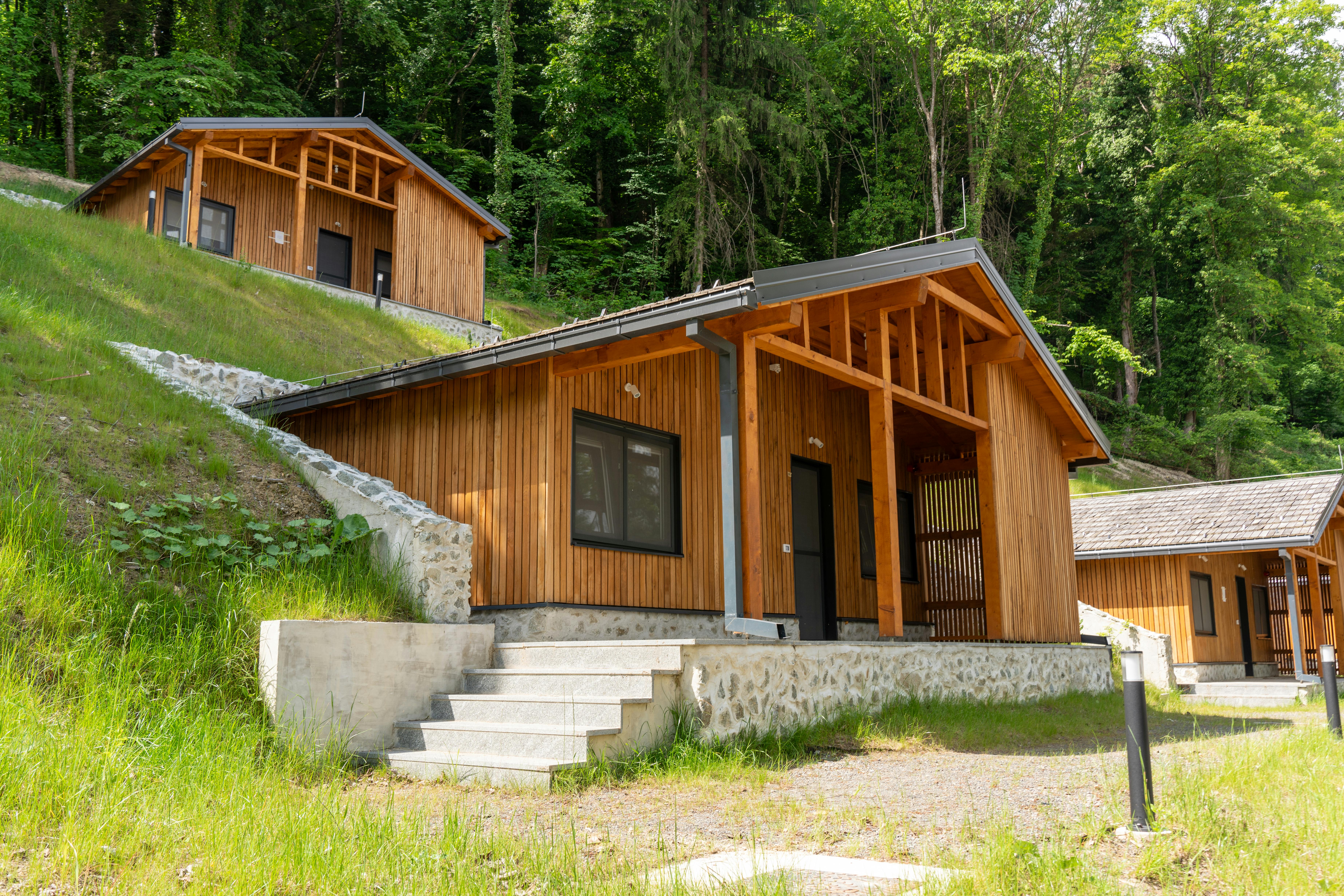
The impulse to retreat, to swap the ambient noise of the metropolis for the profound quietude of the woods, is perhaps as old as civilization itself. Yet, in the dynamic landscape of late 2025, the simple desire for a cozy cabin trip carries a new layer of significance. It is no longer just an aesthetic choice; it is a data-informed strategic move for personal restoration. The sign to take this restorative escape is now, as the vacation rental sector accelerates its evolution, demanding a more discerning approach from the traveler.
The current state of the vacation rental market, characterized by stabilizing occupancy, increased technological integration, and a premium placed on unique experiences, suggests a bright, albeit complex, future for niche stays like the cozy cabin retreat. The trend is not toward homogenization but toward hyper-specialization. The next evolution will likely see hosts competing fiercely on highly specific niche offerings. The “cozy cabin” will splinter into even more defined categories: the “digital nomad’s forest office,” the “gourmet chef’s remote kitchen retreat,” or the “biophilic design escape.” Success for both property owners and discerning travelers will rely on precise communication of these specialized features. Furthermore, as regulatory environments continue to mature across various locales, the properties that remain successfully listed will likely be the ones that have prioritized compliance alongside luxury, offering guests peace of mind alongside picturesque views. Following these market developments is crucial, as the ability to secure a truly restorative escape in the years to come will depend on one’s agility in navigating these sophisticated operational and experiential shifts in the broader vacation rental ecosystem. The sign to take the trip is now, and the planning must be informed by the data and dynamics of this rapidly maturing industry. The promise of quietude remains, but the pathway to it is increasingly paved with data-informed decisions and a clear understanding of modern traveler expectations.
The Current State: Why Cabin Life is a 2025 Imperative for Restoration
As of the fourth quarter of 2025, the vacation rental industry is settling into a new rhythm. The frantic, post-pandemic surge has subsided, giving way to a more predictable, yet intensely competitive, environment. For the traveler seeking genuine respite, this stabilization presents a prime window of opportunity. Industry forecasts suggest that overall occupancy rates are steadily rising toward a new normal, projected to approach 56% by the close of 2025, reflecting a return to pre-pandemic stability levels in mature markets. This stability means revenue streams for hosts are becoming more predictable, which in turn encourages investment in the quality and differentiation of the offering.
The End of Easy Supply Growth
One of the most significant shifts underpinning the current travel climate is the deceleration in new listing growth. Stricter regulatory frameworks across key markets are limiting the influx of new supply, making established, high-quality properties more valuable. In fact, industry reports from early 2025 indicate that roughly 80% of Airbnb’s top markets now feature some form of regulation. This market maturation, while presenting challenges for new entrants, solidifies the market for experienced hosts and rewards travelers who prioritize listings that have proactively navigated the complex landscape of permits, taxes, and safety standards.
The Premium on Authenticity and Escape
The search for the “cozy cabin” is a direct response to the overwhelming digital density of modern life. Travelers are not just looking for a place to sleep; they are looking for an experiential counterpoint to their daily grind. Unique, visually striking, and contextually rich accommodations are consistently outperforming standard vacation homes in terms of both occupancy and Average Daily Rate (ADR). This pursuit of the unique drives the need for deliberate, informed planning, as the most restorative stays are now the ones most precisely defined and marketed.
Decoding the Hyper-Specialized Cabin Experience
The generalized “cozy cabin” is rapidly becoming an archival concept. The future, as already evidenced in 2025 listings, is defined by hyper-personalization and the carving out of highly specific niches to capture high-value bookings. To plan the perfect trip today, one must identify which specialized cabin category best serves their restorative goal.
The Digital Nomad’s Forest Office
The sustained popularity of remote and hybrid work has cemented the demand for extended stays, fueling the growth of the mid-term rental segment. The modern cabin catering to this demographic is no longer merely *Internet-enabled*; it is purpose-built for productivity woven into relaxation.
- The Tech Stack: Essential amenities now include robust, high-speed, low-latency internet access, often requiring dual-provider redundancy or dedicated fiber connections to support video conferencing and large file transfers.
- Ergonomic Design: Look for properties that explicitly feature soundproofed workspaces, ergonomic desks, and professional-grade seating, moving far beyond a repurposed dining table.
- Seamless Integration: The best of these properties utilize smart home automation for climate control and lighting, allowing the guest to transition instantly from deep focus to relaxation mode without operational friction.
The Gourmet Chef’s Remote Kitchen Retreat
Travelers increasingly seek experiential amenities that extend beyond the property’s physical location. A sub-niche gaining traction is the culinary-focused retreat, where the kitchen becomes the centerpiece of the restorative process, often replacing traditional destination activities.
- Appliance Specification: Guests are actively searching for specific, high-end appliances—perhaps a commercial-grade range, a dedicated wine cellar/cooler, or professional-level cookware sets—and hosts are competing on the detail of these features.
- Local Sourcing Integration: The most sophisticated listings actively partner with local purveyors, offering guests curated welcome baskets of artisanal goods or detailed guides on nearby farm stands, merging the cabin stay with a culinary pilgrimage.
The Biophilic Design Escape and Eco-Luxury Focus
A growing segment of travelers connects true restoration with environmental consciousness and connection to nature, driving demand for sustainability and design that mimics the natural world.
- Design Elements: Seek cabins that feature expansive, floor-to-ceiling windows, reclaimed natural materials, indoor living plants, and layouts that prioritize natural light—hallmarks of biophilic design that are proven to reduce stress.
- Eco-Credentials: Demand for carbon-neutral stay options and properties utilizing sustainable building materials like solar power or reclaimed wood is rising among affluent and conscious travelers. Booking a property that has invested in genuine eco-upgrades offers a secondary layer of peace of mind about one’s travel footprint.
Your Data-Informed Cabin Planning Guide for 2025
Securing that perfect, specialized cabin in 2025 requires moving past simple aesthetic searches on booking platforms. It requires an approach informed by the same data and technological sophistication that property managers use to secure bookings.
Step One: Navigating the Compliance Landscape for Peace of Mind
The regulatory shifts noted earlier mean that a seemingly idyllic cabin listing might be operating in a legal gray area or subject to sudden, unforeseen restrictions. A truly restorative trip is one where the guest does not have to worry about the property’s operational status.
- Verify Licensing Display: In jurisdictions like Austin, new regulations mandate that platforms display STR license numbers in listings. Prioritize properties that openly feature this information, signaling compliance.
- Assess Local Stability: Research the local municipality’s recent council meeting activity regarding STRs. High activity or recent, sweeping legislation (like in New York or parts of Europe) suggests potential volatility. Look toward rural or emerging markets where inventory growth is slowing but tourism infrastructure is robust, offering a better balance of escape and operational security.
- Favor Established Hosts: Hosts who have adapted to the stricter rules of 2024 and 2025 are more likely to offer consistent, high-standard service, as operational complexity has forced an industry-wide raise in the service bar.
Step Two: Leveraging Technology to Match Expectations
Since travelers are using advanced tools to plan their trips, you should, too. Use property descriptions to vet amenities against your specific needs.
- The “Remote Work Ready” Checklist: If you plan to blend work and leisure, do not accept generic claims of “good Wi-Fi.” Inquire (via platform messaging) about upload/download speeds or the system’s capacity for multiple simultaneous users before booking.
- Smart Home Integration Check: For ultimate convenience, look for mentions of specific smart home ecosystems or voice-activated controls, as these technologies are becoming standard expectations for convenience.
- Personalization Clues: Does the listing mention tailored experiences, loyalty perks, or custom concierge services? These details signal a host invested in the ultra-personalized service travelers now expect.
Step Three: Strategic Timing and Duration
With occupancy stabilizing, strategic booking is paramount for securing the best niche properties, as the demand for *standout* stays remains high.
- Move Beyond the Weekend: Many successful cabin trips in 2025 are now seeing extended stays of four to seven days or longer, driven by the mid-term rental trend. A longer stay often justifies the investment in a more highly specialized, expensive niche cabin, while also offering deeper restoration.
- Embrace Shoulder Seasons: While overall demand is strong, targeted seasonal offerings—like the “cozy autumn cabin” aesthetic or winter escapes—can be booked strategically during shoulder periods when competition for unique properties might be slightly lower than peak holiday weeks.
The Road Ahead: Navigating the Evolving Ecosystem
The decision to book a cabin trip is timely because the industry is clearly signaling that the era of passive travel consumption is over. The pathway to quietude in the years ahead will require active engagement with the market’s increasing sophistication. The next evolution is not merely about aesthetics; it is about operational precision, technological fluency, and regulatory awareness.
Travelers who succeed in securing the truly restorative escapes of the near future will be those who understand that the competitive edge for property owners—the very features they seek—are direct results of these industry dynamics. The specialized cabin, whether designed for focus, gastronomy, or wellness, represents the highest form of value exchange in the current market. The promise of quietude remains, but the pathway to it is increasingly paved with data-informed decisions and a clear understanding of modern traveler expectations.