
Upstate SC Towns Confront Short-Term Rental Surge Amidst Tourism Boom
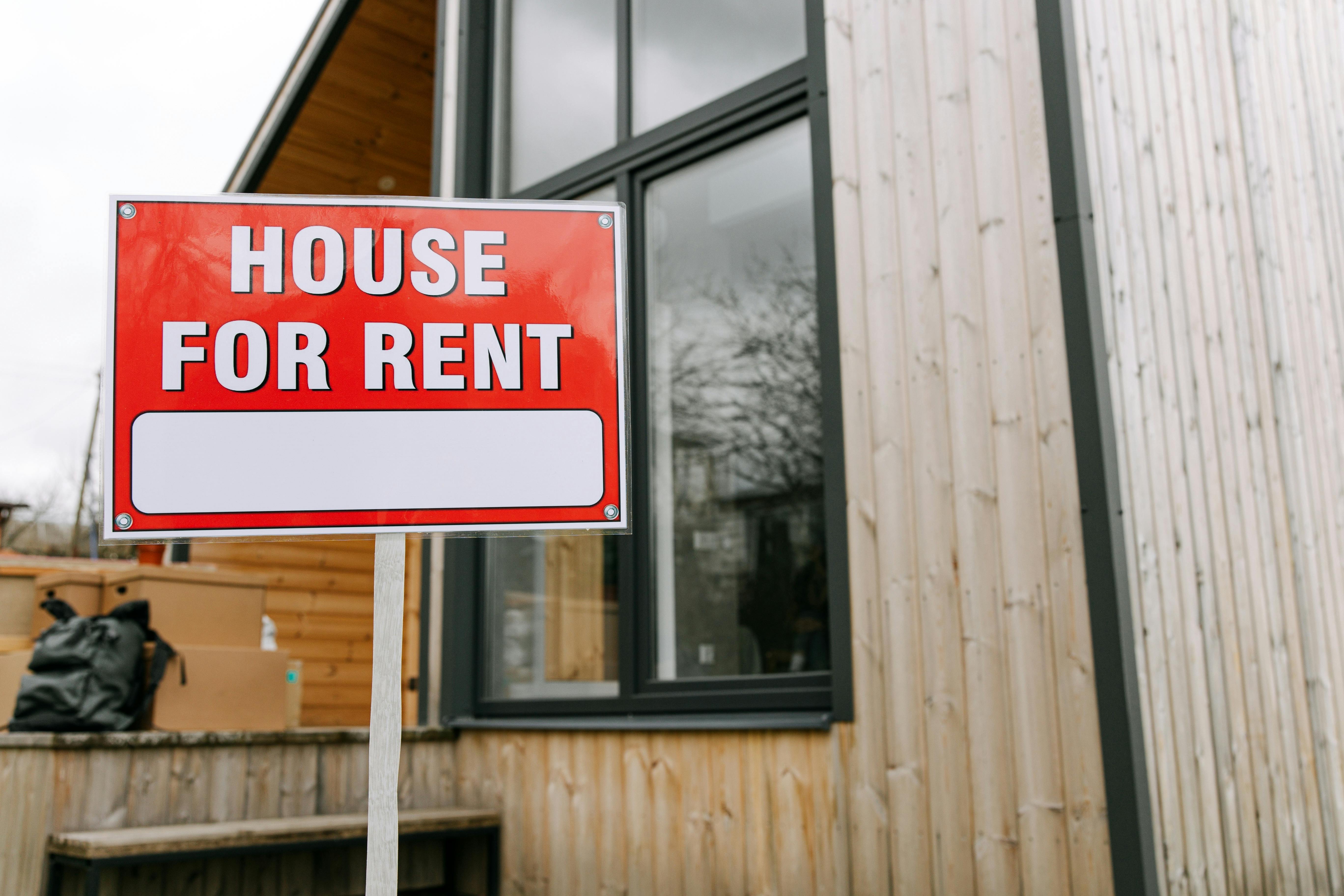
As the vibrant tourism sector in Upstate South Carolina experiences unprecedented growth, a growing number of municipalities are implementing stricter regulations on short-term rentals (STRs). This recalibration aims to balance the economic benefits of increased visitor traffic with the imperative to preserve residential quality of life and maintain neighborhood integrity. The evolving landscape of tourism and accommodation presents a complex challenge, requiring communities to adopt adaptive and informed policy approaches.
The Driving Forces: Tourism Growth and the Rise of Short-Term Rentals
Upstate South Carolina has become a significant destination, attracting visitors for its scenic beauty, burgeoning culinary scenes, and increasing number of cultural and outdoor attractions. This surge in tourism, which saw significant acceleration in 2024 and continues into 2025, has fueled a parallel expansion in the short-term rental market. Properties previously occupied by long-term residents or vacant are increasingly being converted into Airbnb, Vrbo, and other short-term lodging options. While these rentals contribute to the local economy by providing accommodation options and supporting local businesses, their rapid proliferation has begun to strain existing infrastructure and alter the character of residential neighborhoods.
Mounting Community Concerns Prompt Regulatory Action
The benefits of tourism are increasingly being weighed against a host of challenges that have emerged from the unchecked growth of short-term rentals. Residents in many Upstate communities have voiced concerns regarding increased noise levels, parking congestion, strain on local services, and a perceived erosion of neighborhood stability. A significant concern frequently raised is the impact on housing affordability and availability for permanent residents, as properties are diverted to the short-term market. In response to these escalating issues, local governments are recognizing the need for proactive governance rather than reactive measures.
As of late 2025, several towns and cities within the Upstate region have initiated or are seriously considering measures to regulate the short-term rental market more effectively. This includes a closer examination of licensing requirements, zoning ordinances, and potential taxation strategies to manage the impact and ensure fairness for both residents and property owners.
Key Regulatory Tools and Strategies
Communities are exploring and deploying a diverse array of regulatory tools to manage the impact of short-term rentals, drawing from strategies employed by municipalities nationwide. The goal is to create a framework that fosters responsible operation while mitigating negative externalities.
- Licensing and Permitting: A common approach involves requiring STR operators to obtain licenses or permits before listing their properties. This process often includes application fees, which can help fund regulatory oversight and enforcement. It also provides a crucial mechanism for local governments to collect data on STRs operating within their jurisdiction.
- Zoning and Land Use Restrictions: Municipalities are increasingly looking at zoning laws to designate specific areas where STRs are permitted or to limit their density within residential zones. This may involve capping the total number of STRs in a given neighborhood or building, or establishing different rules for primary residences versus investment properties.
- Occupancy Limits: To address concerns about overcrowding and potential disturbances, regulations often stipulate maximum occupancy numbers for short-term rental properties. These limits are typically based on the physical size of the dwelling and its intended use.
- Duration Limits: Some areas are implementing minimum or maximum stay durations. This can help differentiate between traditional long-term leases and short-term rentals, potentially preventing STRs from effectively functioning as de facto hotels in residential areas.
- Taxation: A significant focus is being placed on ensuring that STRs contribute equitably to local tax revenues. This often involves collecting lodging taxes or “bed taxes,” similar to those paid by hotels and motels, to help fund local services, including those that support tourism.
- Operational Standards: Regulations are also being developed to ensure the safety and responsible operation of STRs. These can include requirements for hosts to maintain properties to specific safety codes, to designate a local contact person available to respond to issues 24/7, and to adhere to neighborhood quiet hours.
The Importance of Data and Community Input in Policymaking
Effective regulation of short-term rentals, as underscored by ongoing discussions in Upstate SC, fundamentally relies on a robust understanding of their local impact. This necessitates the collection of comprehensive data, including the total number of STRs, their geographical distribution within neighborhoods, their economic contributions to the local economy, and detailed documentation of concerns raised by residents. [cite:5, cite:7] Public forums, town hall meetings, and community consultations are vital for gathering diverse perspectives. Ensuring that policy decisions genuinely reflect the needs and priorities of the entire community—residents, businesses, and visitors alike—is paramount for successful integration and management.
Adapting to Evolving Tourism Trends and Future Outlook
The tourism industry is inherently dynamic, characterized by shifting visitor behaviors and emerging trends. Community regulations governing short-term rentals must possess sufficient flexibility to adapt to these changes. As new forms of tourism gain traction or as visitor preferences evolve, local governments may find it necessary to revisit and revise their STR policies. This continuous evaluation process is crucial to ensure that regulations remain relevant and effective in supporting both long-term economic development and the enduring well-being of local communities.
The ongoing evolution of the short-term rental market means that the dialogue and policy adjustments witnessed in places like Upstate SC are likely to continue for the foreseeable future. Communities across the state are actively seeking a sustainable model that harnesses the economic power of tourism while safeguarding the qualities that make their towns desirable places to live, visit, and invest. The challenge lies in forging a path forward that honors the needs of all stakeholders, ensuring that the future of tourism in South Carolina is both prosperous and equitable.